👈 یہ ویب سائٹ اردو، سندھی اور مزید زبانوں میں پڑھیں
Urinary tract infection
UTI care that actually lasts.
Recurrent UTIs are more than a nuisance — untreated they can damage the kidneys. A proper evaluation identifies why they keep coming back and how to stop the cycle.
Empirical antibiotics fix the symptom, not the pattern. Culture-directed therapy plus a search for anatomical or behavioural triggers is what breaks the cycle for good.
Mid-stream urine culture before antibiotics whenever possible
Ultrasound to rule out obstruction or residual urine
Post-menopausal patients benefit from local oestrogen
Behavioural and hydration coaching where appropriate
Causes
What causes UTIs to keep coming back
Most UTIs are caused by E. coli travelling from the bowel to the bladder. Recurrence usually means an underlying trigger is being missed.
Cause 01
Bacterial reservoirs
E. coli and other gut bacteria colonise the perineal area.
Cause 02
Anatomical factors
Short female urethra; obstruction, stones or reflux in men and children.
Cause 03
Incomplete bladder emptying
Residual urine after voiding — a rich bacterial culture medium.
Cause 04
Hormonal changes
Post-menopausal oestrogen loss thins the urethral lining and raises UTI risk.
Cause 05
Sexual activity
A well-known trigger in women — usually addressed by post-coital voiding and hygiene.
Cause 06
Diabetes & immunosuppression
Sugar in the urine and blunted immune response allow bacteria to thrive.
Symptoms to watch
When to see a urologist
Any one of the following symptoms is worth a consultation — especially if it has been ongoing for more than a few weeks.
!Burning during urination
!Frequency and urgency
!Cloudy or foul-smelling urine
!Lower abdominal or flank pain
!Fever, chills or blood in the urine
Diagnosis
How the diagnosis is made
Correct diagnosis is the difference between one course of the right antibiotic and years of on-and-off symptoms.
1
Detailed symptom review
Frequency, timing, sexual history, hygiene habits and any prior antibiotics.
2
Urinalysis
Detects white cells, nitrites and blood — immediate bedside guidance.
3
Mid-stream urine culture
Identifies the exact organism and which antibiotics will work.
4
Ultrasound of the urinary tract
Rules out stones, obstruction and post-void residual urine.
5
Cystoscopy (selected cases)
For persistent or unexplained recurrence, especially with blood in urine.
Why patients choose us
A modern approach, delivered with warmth
🧪
Culture-directed antibiotics
Right drug, right dose, right duration — not empirical guessing.
🛡️
Prevention plans
Hydration, hygiene and prophylactic protocols for recurrence.
📷
Imaging workup
Ultrasound / CT to rule out stones, obstruction or reflux.
🩺
Long-term follow-up
Structured review at 3 and 6 months to confirm resolution.
Prevention & lifestyle
What you can do every day
Recurrent UTIs are prevented by daily habits far more than by 'stronger antibiotics'.
✓Drink 2 litres of water daily; don't 'hold on' when you feel the urge
✓Wipe front to back; urinate within 15 minutes of intercourse
✓Avoid vaginal douches and heavily perfumed products
✓Treat constipation — a full rectum promotes UTIs
✓Post-menopausal women: discuss local (vaginal) oestrogen with your doctor
✓For confirmed recurrence: low-dose prophylactic antibiotics or D-mannose after review
Inside the practice
A day at the clinic
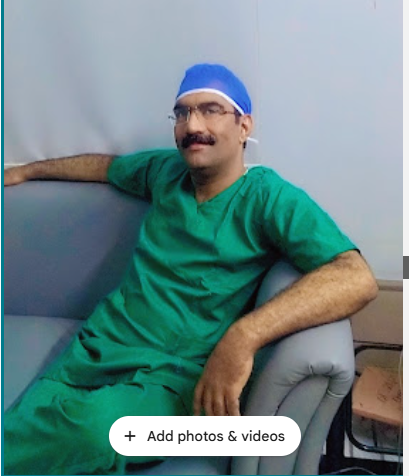
Real moments from consultations, imaging, surgery and follow-up — the standard of care patients can expect.
Three or more culture-proven UTIs in a year, or two in six months, warrants a specialist evaluation.
Evidence is modest but they're safe. They can be part of a prevention plan alongside hydration and, when appropriate, low-dose prophylactic antibiotics.
Simple bladder infections rarely do. Kidney infections (pyelonephritis) can — which is why fever, back pain or blood in the urine deserves prompt evaluation.
Book a consultation
Ready to talk it through?
A single consultation usually clarifies the diagnosis and the treatment path. Book yours today, or contact the doctor for a quick question.
Consultant Urologist & Sexologist in Karachi — providing modern, evidence-based urological care with a focus on kidney stones, prostate disease, male infertility and men’s sexual health.