
Cause 01
Vascular disease
Narrowed penile arteries — the same process behind heart attacks and strokes.

ED is a symptom, not a diagnosis. Physical causes dominate after age 40; psychological causes are more common in younger men — and the two often coexist.
Narrowed penile arteries — the same process behind heart attacks and strokes.
Damages both nerves and blood vessels essential for erection.
Reduces desire and firmness — treatable when confirmed on blood tests.
Some blood-pressure, antidepressant and antipsychotic drugs impair erections.
Both damage the vascular and neurological pathways needed for erection.
Performance anxiety and relationship strain are powerful triggers.
Any one of the following symptoms is worth a consultation — especially if it has been ongoing for more than a few weeks.
A careful workup is quick, private and — importantly — screens for the heart disease that ED can announce years before a heart attack.
Onset, situational vs. global, morning erections, medications and lifestyle.
Blood pressure, cholesterol, blood sugar and family history.
Testosterone (morning sample), prolactin and thyroid function.
Measures arterial inflow and venous leak when indicated.
Short validated questionnaires — no stigma, no long therapy sessions unless needed.
Sildenafil, tadalafil and vardenafil — dosed properly, not guessed.
Low-intensity therapy to improve penile blood flow in vasculogenic ED.
For patients who don't respond to oral therapy.
The definitive solution when other therapies fail.
The habits that protect your heart also protect your erections. Prevention is genuinely powerful in ED.
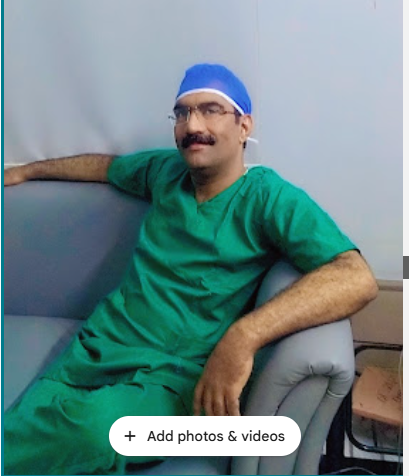
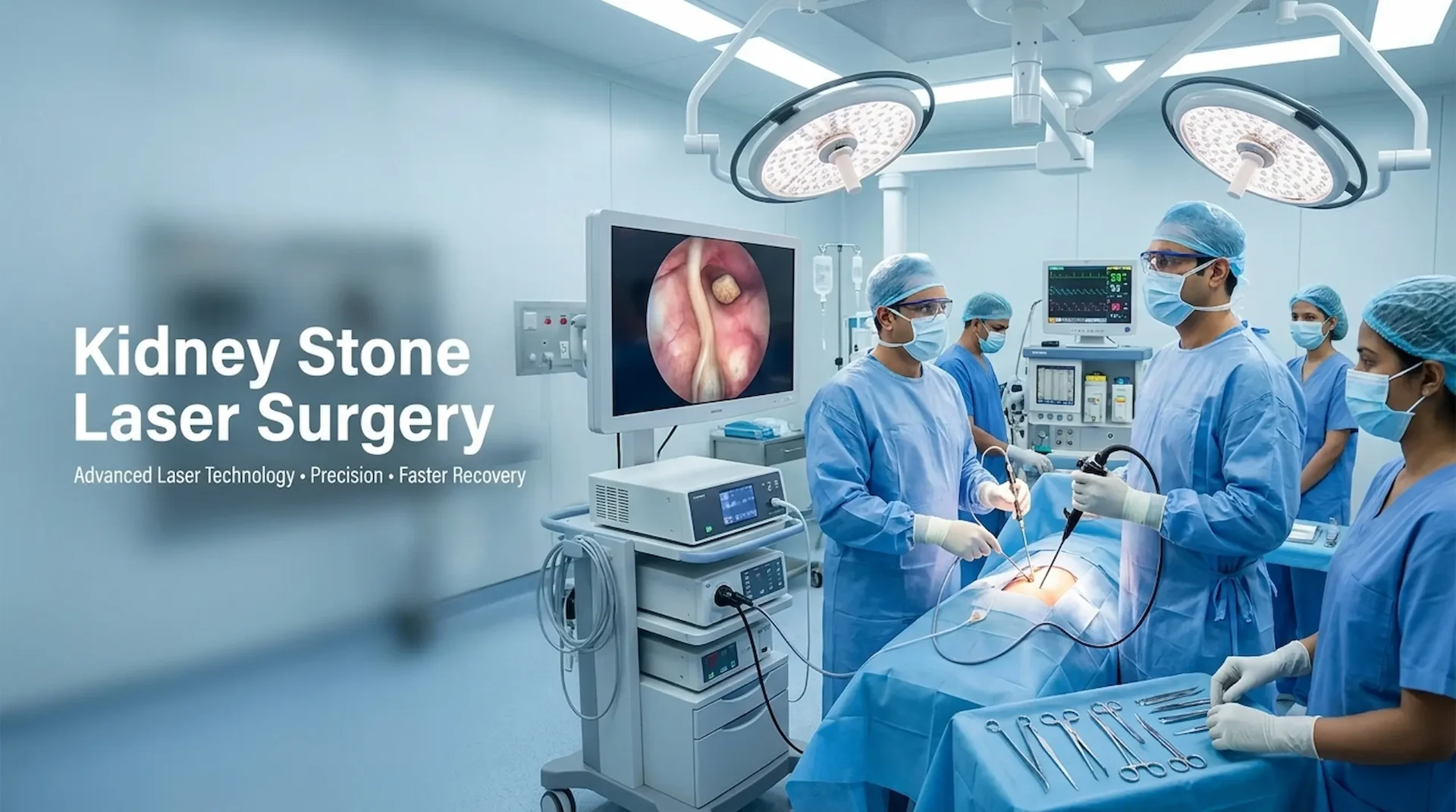
Real moments from consultations, imaging, surgery and follow-up — the standard of care patients can expect.




A single consultation usually clarifies the diagnosis and the treatment path. Book yours today, or contact the doctor for a quick question.
© 2026 Dr. Shahid Hussain Baloch. All rights reserved.
Consultant Urologist & Sexologist · Karachi, Pakistan
WhatsApp us