
Cause 01
Varicocele
Enlarged scrotal veins — the single most common correctable cause.

Male infertility rarely has just one cause. A methodical review usually finds one or more contributing factors — most of them treatable.
Enlarged scrotal veins — the single most common correctable cause.
Low testosterone, high prolactin or thyroid disorders can suppress sperm production.
Past mumps orchitis, tuberculosis or untreated STIs may damage the testes.
Klinefelter syndrome or Y-chromosome microdeletions affect sperm counts.
Blocked ducts from prior hernia surgery, infection or congenital absence of the vas.
Smoking, heat exposure, obesity, steroids and certain medications all impair sperm.
Any one of the following symptoms is worth a consultation — especially if it has been ongoing for more than a few weeks.
The evaluation is quick, respectful and evidence-based. Most couples have a clear diagnosis after a single visit and two tests.
Duration of trying, prior pregnancies, medical and surgical background of both partners.
Checks for varicocele, testicular volume and abnormalities of the vas deferens.
Two samples 2–3 weeks apart — the cornerstone of the workup.
FSH, LH, testosterone, prolactin and thyroid function tests.
Confirms varicocele, testicular tumours and duct anomalies.
Weight, smoking, heat exposure, medications — often correctable.
For hypogonadotropic hypogonadism and select hormonal patterns.
Micro-surgical repair for varicocele — the commonest correctable cause.
Sperm retrieval for non-obstructive azoospermia, coordinated with IVF.
Sperm are exquisitely sensitive to heat, toxins and lifestyle. Small changes over 3 months can transform a semen analysis.
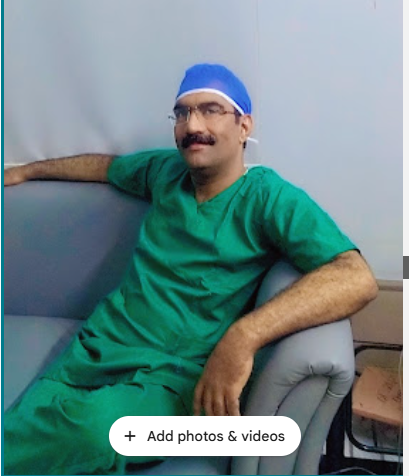
Real moments from consultations, imaging, surgery and follow-up — the standard of care patients can expect.




A single consultation usually clarifies the diagnosis and the treatment path. Book yours today, or contact the doctor for a quick question.
© 2026 Dr. Shahid Hussain Baloch. All rights reserved.
Consultant Urologist & Sexologist · Karachi, Pakistan
WhatsApp us