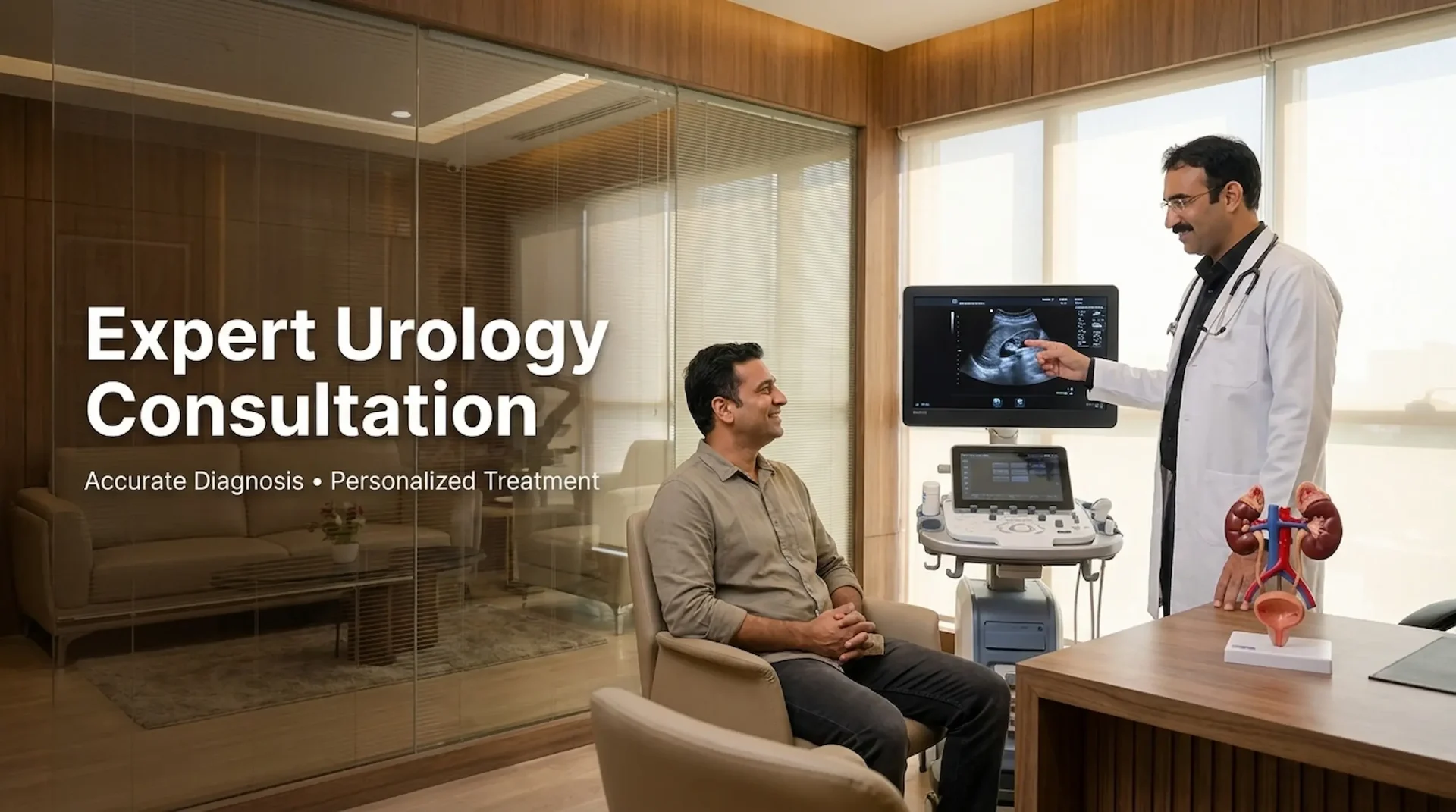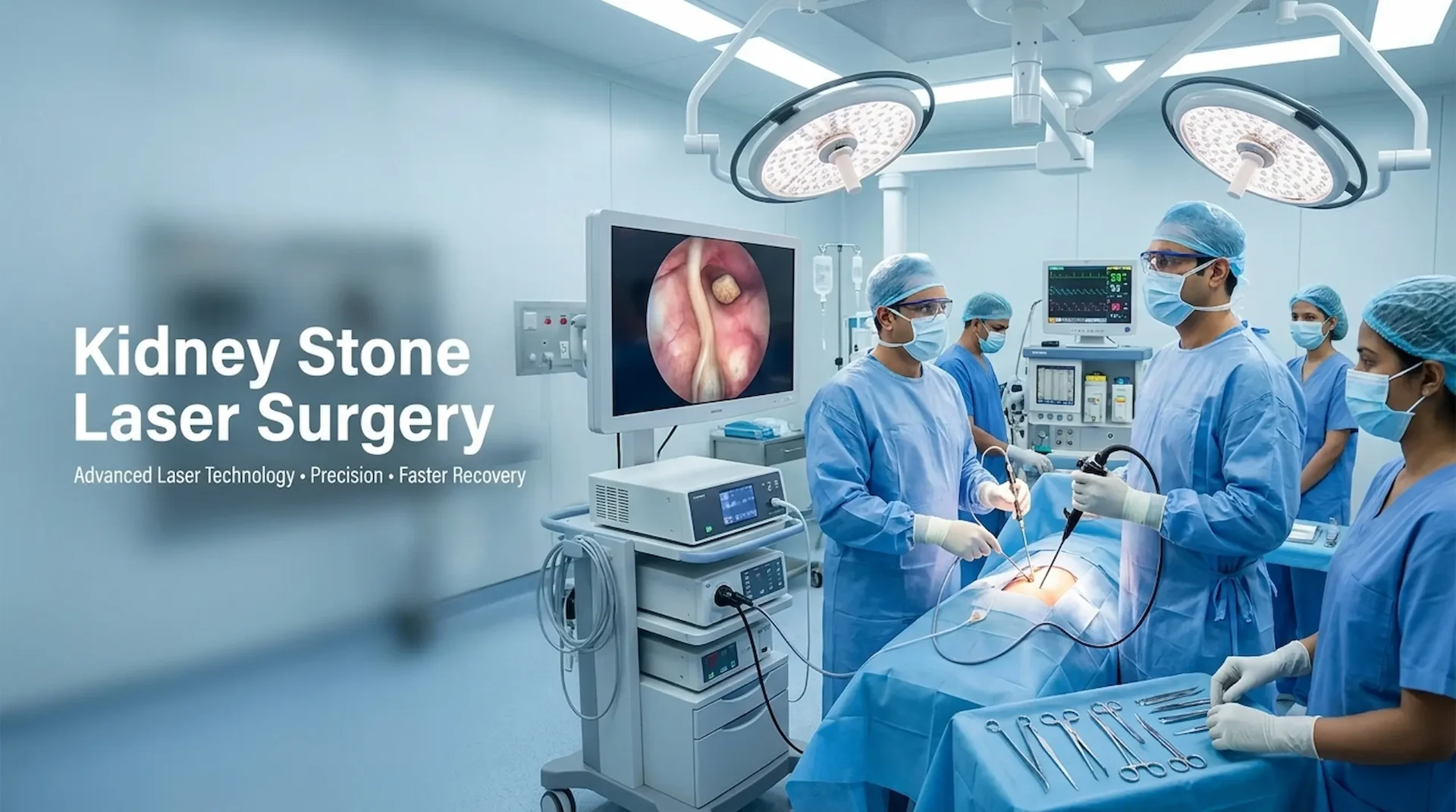
Erectile dysfunction

Discreet, evidence-based ED care.

Erectile dysfunction is common and highly treatable. It’s also often the earliest warning sign of a cardiovascular problem — which makes an honest evaluation twice as valuable.
PMDC Registered
Neurospinal and Cancer Care Institute (NCCI)
Consultation
Mon – Sat, Evenings
Introduction

Why ED deserves a proper workup

Buying pills off a pharmacy shelf hides the underlying cause. A single 30-minute visit can distinguish vascular, hormonal and psychological patterns and unlock a plan that actually works.
  • Cardiovascular risk screening is part of every ED visit
  • Testosterone and thyroid testing when clinically indicated
  • Doppler ultrasound to assess penile blood flow
  • Partner and psychological factors discussed openly
Causes

What actually causes ED

ED is a symptom, not a diagnosis. Physical causes dominate after age 40; psychological causes are more common in younger men — and the two often coexist.

Cause 01

Vascular disease

Narrowed penile arteries — the same process behind heart attacks and strokes.

Cause 02

Diabetes

Damages both nerves and blood vessels essential for erection.

Cause 03

Low testosterone

Reduces desire and firmness — treatable when confirmed on blood tests.

Cause 04

Medications

Some blood-pressure, antidepressant and antipsychotic drugs impair erections.

Cause 05

Smoking & alcohol

Both damage the vascular and neurological pathways needed for erection.

Cause 06

Stress & anxiety

Performance anxiety and relationship strain are powerful triggers.

Symptoms to watch

When to see a urologist

Any one of the following symptoms is worth a consultation — especially if it has been ongoing for more than a few weeks.

!Difficulty achieving or maintaining an erection
!Reduced firmness of morning erections
!Loss of sexual desire
!Delayed or absent ejaculation
!Anxiety or avoidance around intimacy
Diagnosis

How the diagnosis is made

A careful workup is quick, private and — importantly — screens for the heart disease that ED can announce years before a heart attack.

  1. 1

    Focused history

    Onset, situational vs. global, morning erections, medications and lifestyle.

  2. 2

    Cardiovascular risk assessment

    Blood pressure, cholesterol, blood sugar and family history.

  3. 3

    Hormone panel

    Testosterone (morning sample), prolactin and thyroid function.

  4. 4

    Penile Doppler ultrasound

    Measures arterial inflow and venous leak when indicated.

  5. 5

    Psychological screening

    Short validated questionnaires — no stigma, no long therapy sessions unless needed.

Why patients choose us

A modern approach, delivered with warmth

💊

PDE5 inhibitors

Sildenafil, tadalafil and vardenafil — dosed properly, not guessed.

🌊

Shockwave therapy

Low-intensity therapy to improve penile blood flow in vasculogenic ED.

💉

Intracavernosal injections

For patients who don't respond to oral therapy.

🛠️

Penile implants

The definitive solution when other therapies fail.

Prevention & lifestyle

What you can do every day

The habits that protect your heart also protect your erections. Prevention is genuinely powerful in ED.

  • Stop smoking — the single biggest reversible risk factor
  • 30 minutes of moderate exercise, 5 days a week
  • Keep blood pressure, cholesterol and blood sugar in target range
  • Limit alcohol to no more than 1–2 drinks on any day
  • Prioritise 7–8 hours of sleep — testosterone is made during sleep
  • Address stress and relationship issues early rather than 'toughing it out'
  • Inside the practice

    A day at the clinic

    Real moments from consultations, imaging, surgery and follow-up — the standard of care patients can expect.
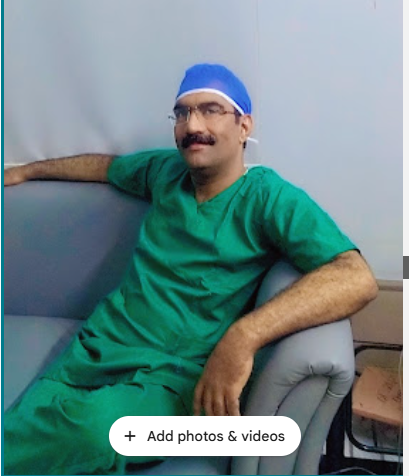

    Patient consultation
    Patient consultation
    Patient consultation
    Patient consultation
    Patient consultation
    Patient consultation
    Frequently asked

    Questions patients often ask

    Not always. Even in men under 40, physical causes — vascular, hormonal, medication side-effects — are found more often than people expect. A proper evaluation is worth it.
    For most healthy men, yes — PDE5 inhibitors have decades of safety data. They are, however, unsafe with certain heart medications, which is why a doctor visit matters.
    Absolutely. Consultations are one-on-one in a private room; records are locked and never shared without written consent.
    Book a consultation

    Ready to talk it through?

    A single consultation usually clarifies the diagnosis and the treatment path. Book yours today, or contact the doctor for a quick question.

    SB
    Dr. Shahid H. Baloch
    Consultant Urologist & Sexologist in Karachi — providing modern, evidence-based urological care with a focus on kidney stones, prostate disease, male infertility and men’s sexual health.

    Clinic Timings

    Neurospinal and Cancer Care Institute (NCCI)
    Saddar, Karachi, Pakistan
    • Monday – Friday5:00 PM – 9:00 PM
    • Saturday4:00 PM – 8:00 PM
    • SundayBy appointment

    © 2026 Dr. Shahid Hussain Baloch. All rights reserved.

    Consultant Urologist & Sexologist · Karachi, Pakistan

    Scroll to Top