👈 یہ ویب سائٹ اردو، سندھی اور مزید زبانوں میں پڑھیں
Men's sexual health
Confidential care for men's sexual health.
Premature ejaculation, low libido, hormonal imbalances — most of these have practical, well-studied solutions. The hardest step is the first conversation.
Sexual health issues carry a lot of unnecessary shame. Dr. Baloch’s practice is built around private consultation rooms, plain language and a clear treatment path — no lectures, no moralising.
One-on-one consultations in a private room
Confidential record-keeping
Partner involvement is optional, not required
Written summary of the plan for you to review at home
Causes
Why sexual-health problems develop
Sexual function depends on hormones, blood vessels, nerves and mind working together. A weakness in any one link creates symptoms.
Cause 01
Low testosterone
Drops with age and with obesity — reduces libido, energy and morning erections.
Cause 02
Vascular disease
The same process behind heart disease also blunts erectile firmness.
Cause 03
Psychological factors
Anxiety, depression and relationship strain are common — and treatable — drivers.
Cause 04
Medications
Antidepressants, blood-pressure drugs and finasteride can affect libido and ejaculation.
Cause 05
Chronic disease
Diabetes, thyroid disease and kidney disease all affect sexual function.
Cause 06
Substance use
Alcohol, tobacco and recreational drugs each reduce performance over time.
Symptoms to watch
When to see a urologist
Any one of the following symptoms is worth a consultation — especially if it has been ongoing for more than a few weeks.
!Premature or delayed ejaculation
!Low libido or loss of interest
!Persistent fatigue and low mood
!Reduced muscle mass and morning erections
!Concerns around performance anxiety
Diagnosis
How the diagnosis is made
The assessment is short, respectful and specific — no fishing expeditions, no unnecessary tests.
1
Confidential history
Onset, timing, relationship context and prior treatments — in your own words.
2
General examination
Body composition, secondary sexual characteristics and cardiovascular status.
3
Hormone panel
Testosterone (morning), LH, FSH, prolactin and thyroid tests.
4
Metabolic screen
Fasting sugar, HbA1c and lipid profile — often the missing link.
5
Validated questionnaires
IIEF-5 for erections, PEDT for premature ejaculation — objective baselines to track progress.
Why patients choose us
A modern approach, delivered with warmth
💊
Medical therapy
SSRIs, PDE5 inhibitors and topical agents where appropriate.
🧠
Behavioural techniques
Structured techniques for PE and performance anxiety.
⚖️
Hormone optimisation
Testosterone and thyroid evaluation, treated when clinically warranted.
🤝
Couples counselling links
Referral to trusted partners when a relational component is present.
Prevention & lifestyle
What you can do every day
Long-term sexual health is built on the same foundations as long-term general health.
✓Exercise regularly — cardiovascular fitness directly supports sexual function
✓Prioritise sleep — most testosterone is produced during deep sleep
✓Avoid unregulated 'testosterone boosters' and steroid supplements
✓Address stress before it becomes chronic — talk therapy, mindfulness, breathing
✓Have an honest annual health check from age 40
✓Communicate openly with your partner — most issues shrink once discussed
Inside the practice
A day at the clinic
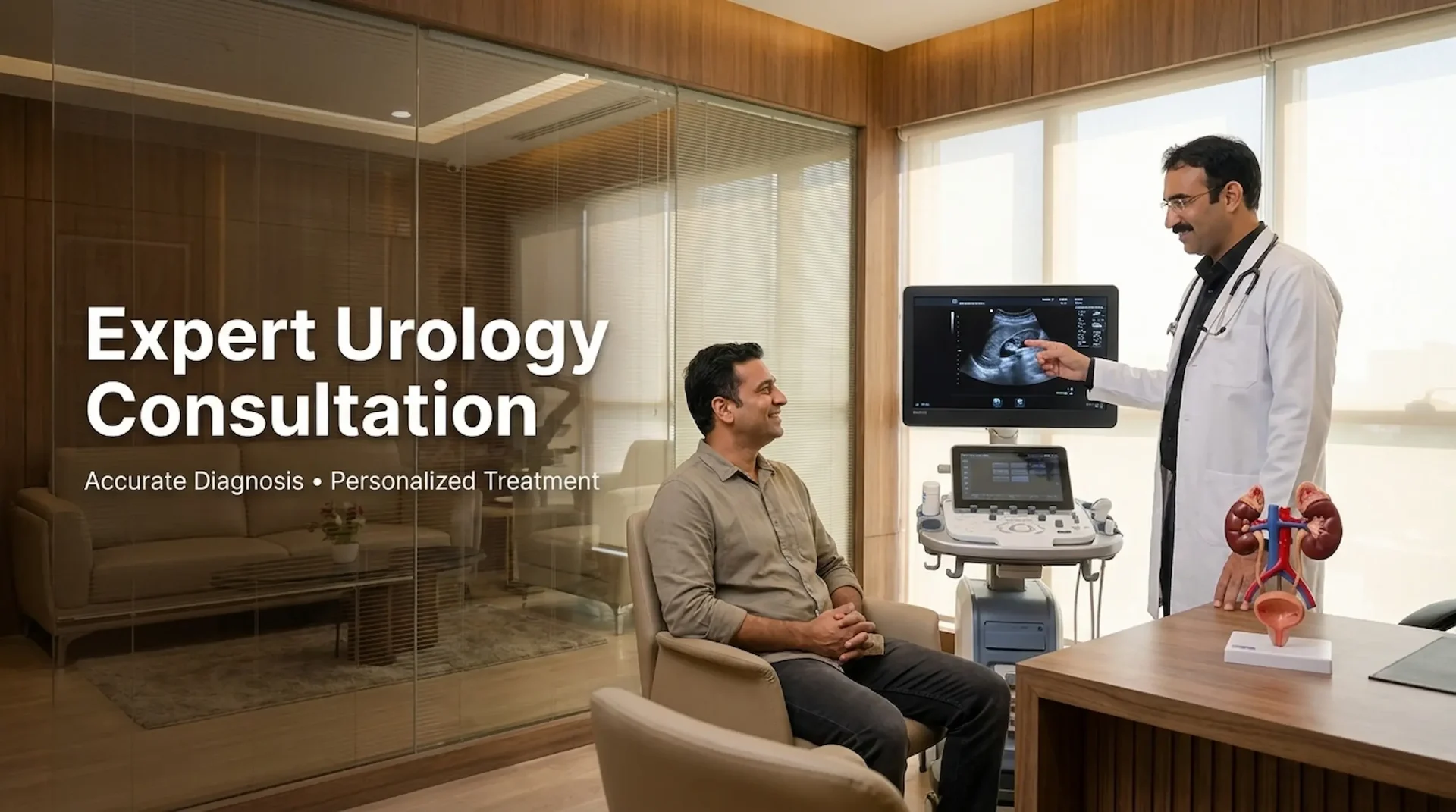
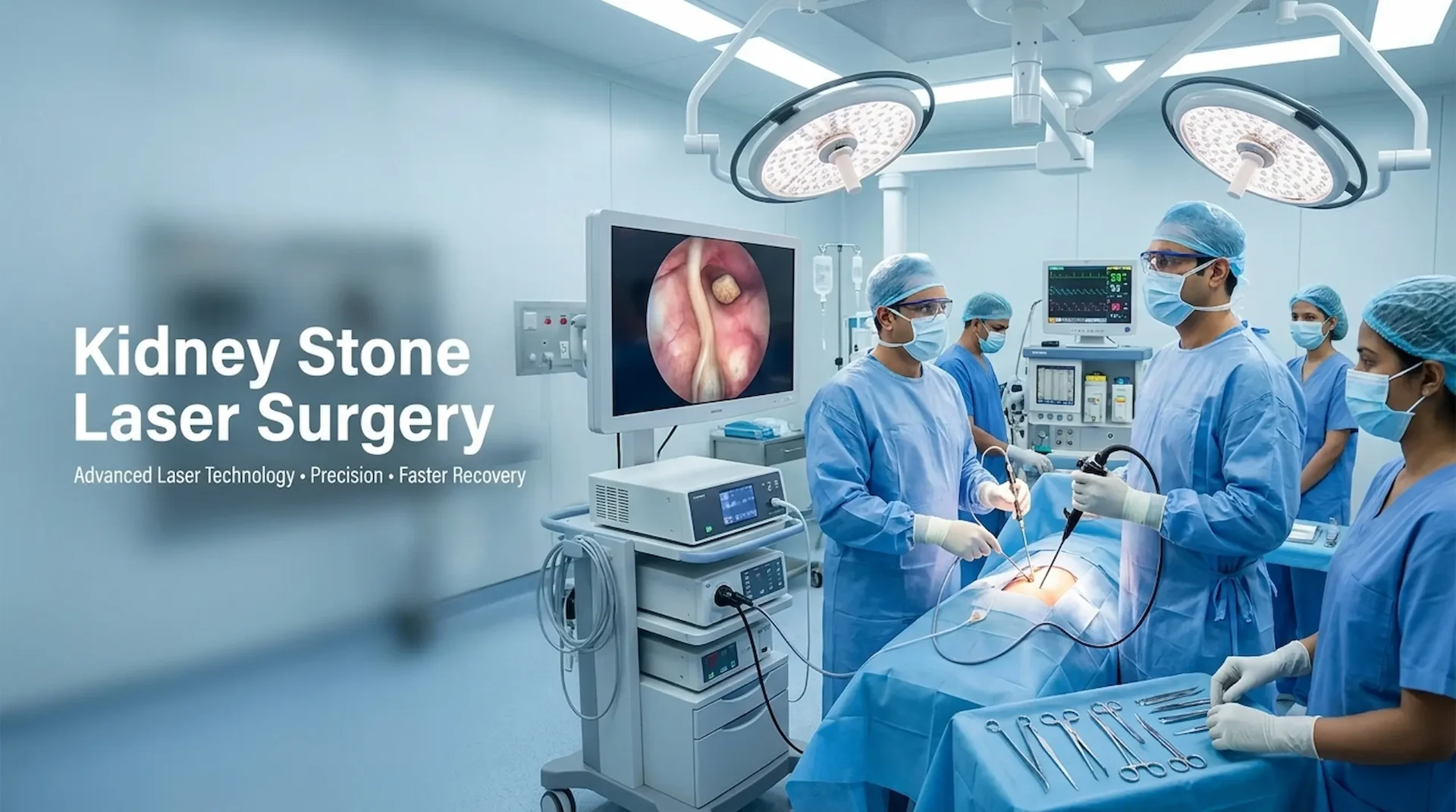
Real moments from consultations, imaging, surgery and follow-up — the standard of care patients can expect.
For men with clinically low testosterone and symptoms, replacement is safe and life-changing. It is not, however, a supplement — dosing and monitoring by a specialist are essential.
Not required. Many patients start alone and involve their partner later. The choice is yours.
No. Consultations and records are strictly confidential and never released without your written consent.
Book a consultation
Ready to talk it through?
A single consultation usually clarifies the diagnosis and the treatment path. Book yours today, or contact the doctor for a quick question.
Consultant Urologist & Sexologist in Karachi — providing modern, evidence-based urological care with a focus on kidney stones, prostate disease, male infertility and men’s sexual health.